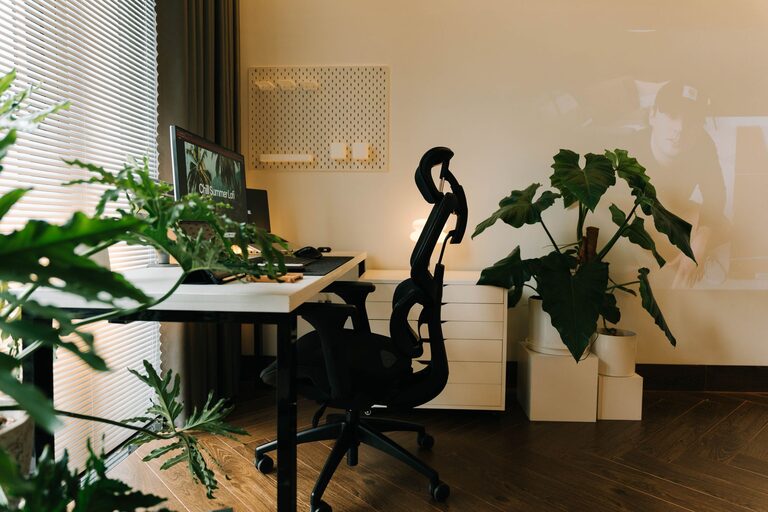
Creating a peaceful and productive home workspace is essential for anyone who works remotely or spends significant time on personal projects at home. A well-designed environment can help you stay focused, reduce stress, and maintain a healthy work-life balance. Whether you have a dedicated room or just a small corner to set up, these tips will guide you toward making a space that supports your best work.
Why a Peaceful Workspace Matters
Working from home comes with many benefits, such as flexibility and comfort. However, it also presents challenges like distractions, blurred boundaries, and fatigue. Establishing a peaceful workspace helps you separate work from home life and creates a mindset geared toward getting things done efficiently and calmly.
Choose the Right Location
Find a Quiet Spot
Selecting a location with minimal noise and foot traffic is key. If possible, use a separate room as your office. Otherwise, choose a corner that is away from household distractions. A quieter area will help you focus and feel calm during work hours.
Consider Natural Light
Natural light positively affects mood and productivity. Position your desk near a window if you can, but avoid glare on your computer screen. If natural light is limited, invest in a good quality desk lamp with adjustable brightness.
Invest in Comfortable Furniture
Ergonomic Chair
Your chair should support your back properly to prevent discomfort and fatigue. Look for adjustable features like seat height and lumbar support. Comfort encourages longer periods of productive work without strain.
Functional Desk
Choose a desk size that fits your needs. You want enough surface area for your computer, notes, and any other tools, but not so much that it becomes cluttered. Standing desks or adjustable desks are great options to allow movement during the day.
Organize and Declutter
Keep Only Essentials
A tidy workspace reduces distractions. Keep only the tools and items you use daily on your desk. Store other items in drawers or shelves to maintain a clean environment.
Use Storage Solutions
Desk organizers, filing trays, and cable management tools help keep things in order. Label storage areas if needed for quick access. A well-organized space saves time and keeps your mind clear.
Personalize Your Space Thoughtfully
Add Greenery
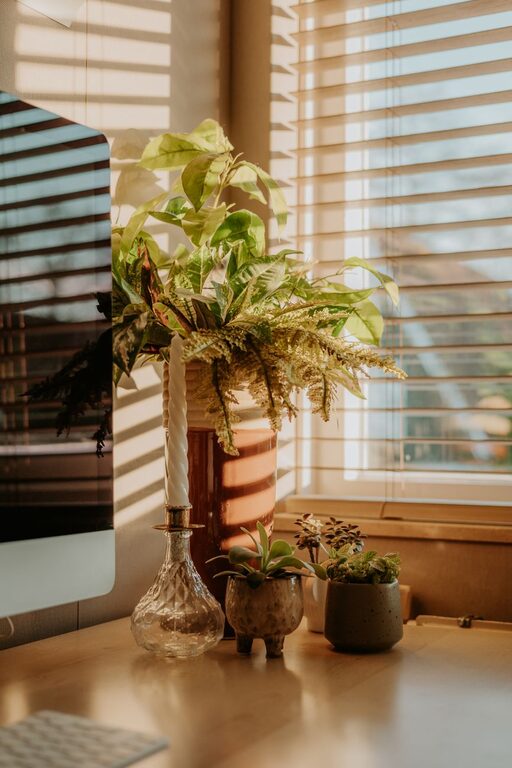
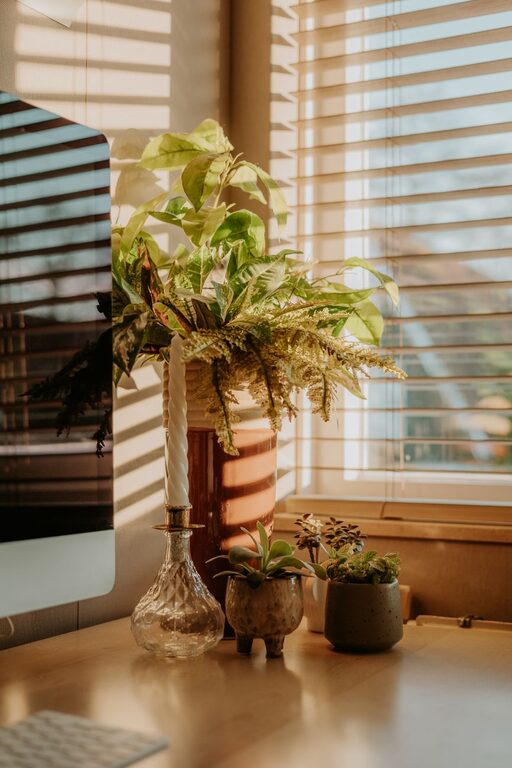
Indoor plants bring a touch of nature and improve air quality. Plants like succulents or small ferns are low maintenance and visually calming.
Use Calming Colors
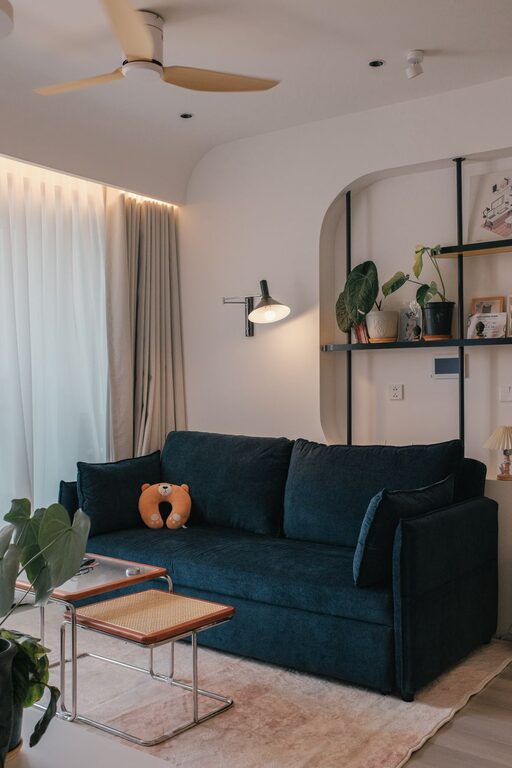
Soft, neutral colors such as pale blue, green, or beige can create a relaxing atmosphere. Avoid overly bright or intense colors that might feel distracting.
Display Inspiring Items
Include a few personal touches like motivational quotes, artwork, or photos that inspire you. But be careful not to overcrowd your workspace.
Manage Technology Wisely
Minimize Distractions
Turn off unnecessary notifications on your phone and computer. Use apps or settings that block distracting websites during work hours.
Ensure Reliable Equipment
Invest in a good quality monitor, keyboard, and mouse. Reliable technology reduces frustration and keeps you working smoothly.
Incorporate Healthy Habits
Take Regular Breaks
Schedule short breaks every hour to stretch, hydrate, and rest your eyes. This practice maintains focus and prevents burnout.
Stay Hydrated and Nourished
Keep a water bottle nearby and have healthy snacks on hand. Proper hydration and nutrition support energy levels during work.
Create a Shutdown Ritual
At the end of your workday, organize your workspace and turn off all work-related devices. This helps you mentally switch from work mode to personal time.
Optimize Lighting and Noise
Use Balanced Lighting
Combine natural light with warm artificial lighting to avoid eye strain and create a comfortable ambiance.
Manage Background Noise
If total silence isn’t possible, try soft background music, white noise, or noise-canceling headphones to block distractions and improve concentration.
Establish Boundaries and Routine
Define Work Hours
Stick to consistent work hours to build routine and avoid overworking. Communicate these hours to family or housemates to minimize interruptions.
Separate Work and Relaxation Zones
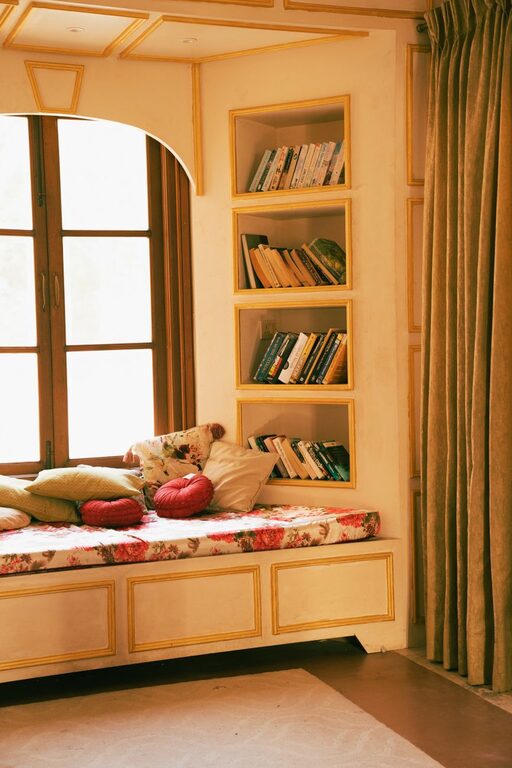
If space allows, keep your work area distinct from rest spaces. This separation helps your brain associate each space with its purpose.
—
By thoughtfully designing your home workspace with these tips, you can cultivate an environment that promotes peace, focus, and productivity. Remember that small changes add up and adapting your setup to your personal needs will yield the best results. Enjoy the benefits of a workspace that truly supports your goals!
About the Author