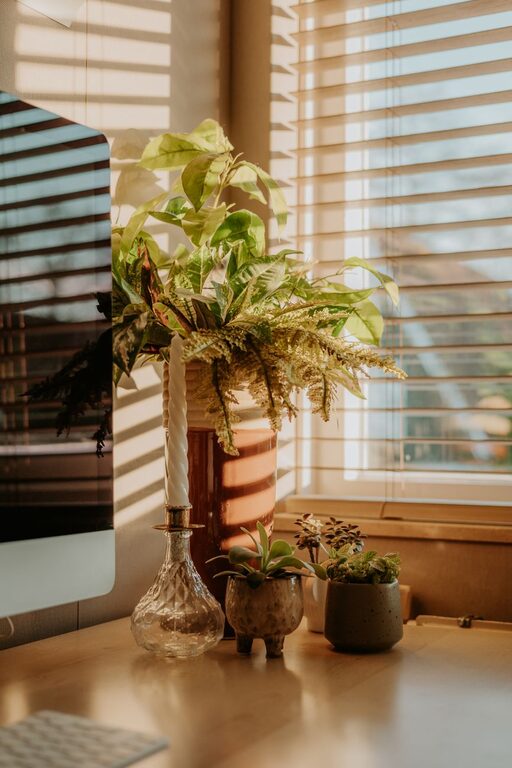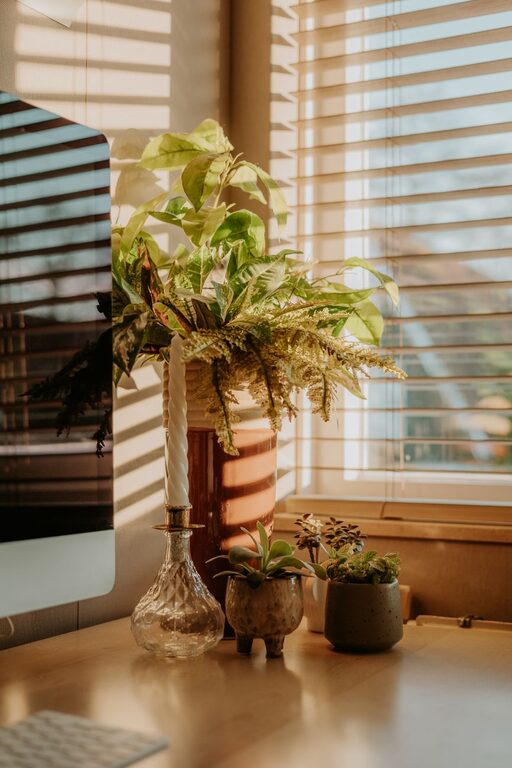
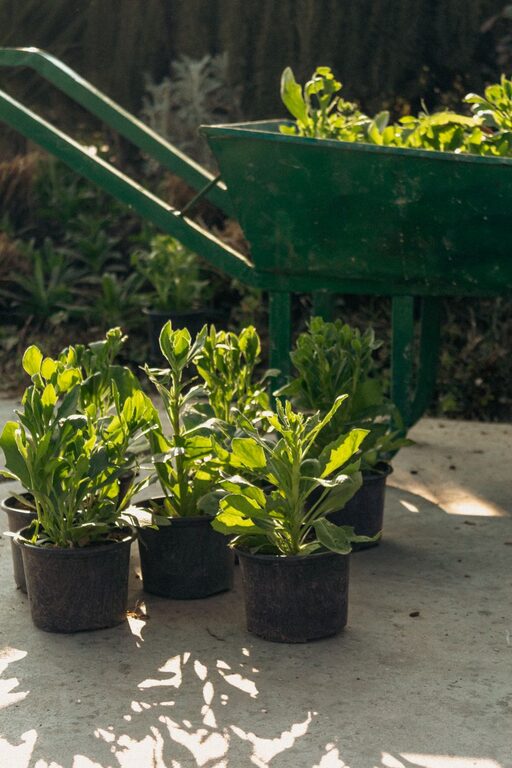
Creating a sustainable home garden is a rewarding way to enjoy fresh produce, enhance your outdoor space, and contribute positively to the environment. The good news is that you don’t need to spend a fortune to get started. With a little planning, creativity, and some smart choices, you can build a thriving garden that’s both budget-friendly and environmentally responsible.
Why Choose a Sustainable Garden?
Sustainable gardening focuses on methods that protect natural resources, reduce waste, and promote biodiversity. It often involves using organic practices, conserving water, and recycling materials. Beyond the environmental benefits, sustainable gardens typically require less maintenance and are healthier for you and your family.
Getting Started: Planning Your Garden on a Budget
Before digging in, plan your garden carefully to maximize your resources and ensure success.
Assess Your Space and Needs
– Start Small: Especially if this is your first garden, beginning with a manageable space saves money and effort.
– Sunlight and Soil: Observe where sunlight falls and check your soil quality. Good light and soil reduce the need for extra fertilizers or soil amendments.
– Choose Your Plants Wisely: Select native or drought-tolerant plants that require less water and care. Herbs and salad greens are often great low-cost starters.
Set a Realistic Budget
– Prioritize must-have items like basic tools, seeds, or seedlings.
– Consider costs for soil improvement and irrigation solutions.
Cost-Effective Tips for Building Your Sustainable Garden
1. Start Plants from Seeds
Buying seeds is much cheaper than seedlings. You can start seeds indoors or in small containers, which cuts costs and allows you to grow a wider variety.
2. Use Compost and Natural Fertilizers
Instead of buying expensive fertilizers, create your own compost using kitchen scraps, yard waste, and coffee grounds. Compost enriches soil naturally and reduces waste going to landfills.
3. Practice Water Conservation
– Rainwater Harvesting: Set up barrels to collect rainwater for watering plants.
– Mulching: Apply natural mulch like straw or shredded leaves to retain soil moisture and suppress weeds.
4. Reuse and Recycle Materials
– Use old containers, crates, or pallets to create planters.
– Repurpose household items for garden tools or decorations.
This saves money and reduces waste.
5. Choose Perennials Over Annuals
Perennial plants come back every year, reducing the need to buy new plants annually. They often have deeper roots which improve soil quality and require less care.
Maintaining Your Garden Sustainably and Cost-Effectively
Practice Crop Rotation and Companion Planting
Rotating crops and pairing compatible plants help prevent pests and maintain soil health, cutting down the need for pesticides and fertilizers.
Limit Chemical Use
Opt for natural pest control methods such as introducing beneficial insects or homemade sprays from garlic or neem oil.
Regular Monitoring
Keep an eye on your plants for early signs of disease or pests. Early intervention avoids costly treatments later.
Additional Budget-Friendly Sustainable Gardening Ideas
– Seed Swaps: Join local gardening groups or online communities to exchange seeds.
– DIY Garden Tools: Build simple tools like trellises or plant markers using inexpensive or recycled materials.
– Grow Your Own Compost Bin: Design a bin from pallets or wire mesh to keep composting organized and low-cost.
Final Thoughts
Creating a sustainable home garden on a budget is entirely doable when you combine thoughtful planning with eco-friendly practices. Not only will you save money, but you’ll also enjoy fresh produce, improve your outdoor environment, and contribute to a healthier planet. Start small, be patient, and watch your garden grow year after year!
Happy gardening!
About the Author